
Why Attend This Webinar?
While you're planning lessons and designing your classroom, your students are running a very different calculation: Who's in my class? Do I like them? Do they like me? Is my teacher going to make me work with students I don’t get along with? Can my teacher see when social problems disrupt the class, and can they do anything about it? These aren't superficial questions. The answers shape whether a student wants to come to your class and can learn.
Whether you're setting the tone on day one or you’re several weeks in, the underlying challenge is the same. The social dynamics in your classroom profoundly impact your students' ability to learn. Social dynamics collide with common ways teachers teach. Like in a group assignment when a lower-status student quietly does the labor so the group's grade doesn't suffer, a higher-status student coasts because no one will call them out, and you don't hear about any of it until the night before the assignment is due.
For your students' sake and your own, it's essential to develop the skills to manage these dynamics well. Yet, educators rarely get specific, real-world strategies to help them run their classrooms, from the initial agreements they set to how they handle group work throughout the year.
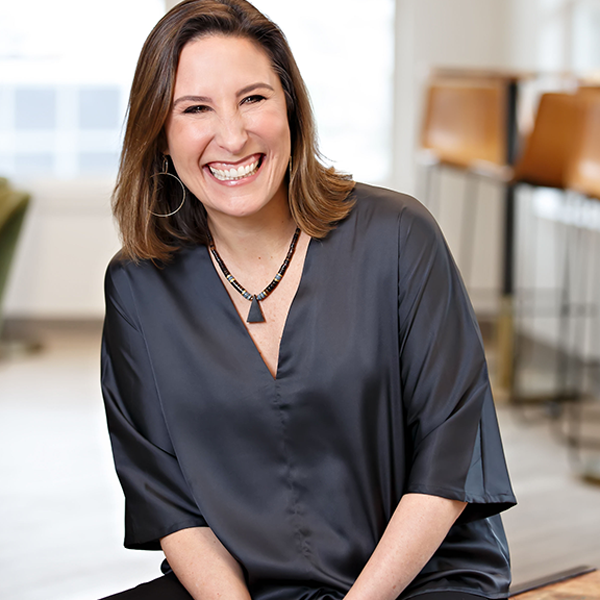
Until now. Please join Rosalind Wiseman — educator, social dynamics expert, author of Queen Bees and Wannabes (the book behind Mean Girls), and author of Masterminds & Wingmen — for this interactive two-part series. Session Two builds directly on Session One, so you'll have time between them to try these strategies in your own classroom and come back with real questions. Can't make a session live? You'll get the recording, and you can always follow up with Rosalind directly by email.
What You'll Learn
Session One — September 10: Setting the Foundation
How to read the social landscape of your classroom from cliques, status, and reputation, whether you're starting the year or resetting it
Practical strategies for creating essential agreements with students that establish you as the adult who models trust and fairness
How to use your position as an educator to exhibit "generous authority" so that you build the kind of trust that lets students take risks and make mistakes without fear of embarrassment
Insights on how strong peer relationships directly shape students' motivation and ability to learn
Session Two — September 24: Applying It to Group Work and Conflict
How to frame and prepare students for group work so status dynamics don't determine who does the work and who coasts
How to respond to and manage social conflict in your classroom without leaning solely on the counselor
How to teach students to communicate with you when they have problems with peers, so they build self-advocacy and independence and know when it's time to bring you in
Interactive and Inspiring
You'll walk away with practical strategies for building classroom trust and belonging, a real plan for group work, and renewed confidence for managing the social dynamics happening around you — fewer disputed group grades, fewer parent emails about "unfair" projects, and more class time spent teaching instead of managing conflict. Recordings of both sessions are included with registration, and you're welcome to email Rosalind directly with follow-up questions.