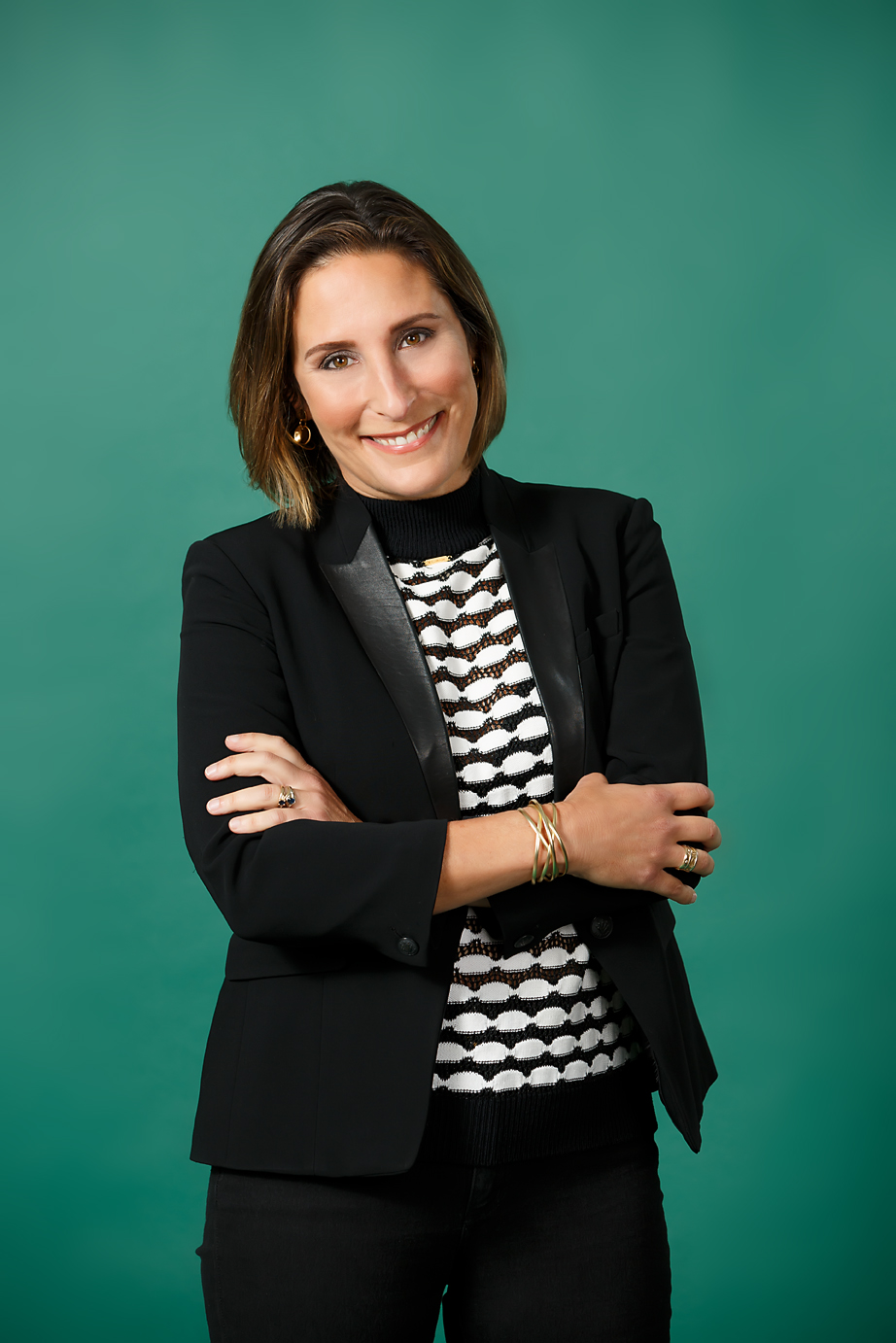

Living with dignity
Writer. Speaker. Thought leader.
Empowering people to bring dignity into our families, friendships, work, and communities.

“You don’t teach or give advice without earning people’s trust first.”
— Rosalind Wiseman
Rosalind
Substack
is on
Explore articles from Rosalind Wiseman offering thoughtful insights on relationships, communication, leadership, and the challenges we face in today’s world. Subscribe to Rosalind’s Substack for reflections on education, our relationships with young people, and the issues that shape our communities.
Rosalind is…
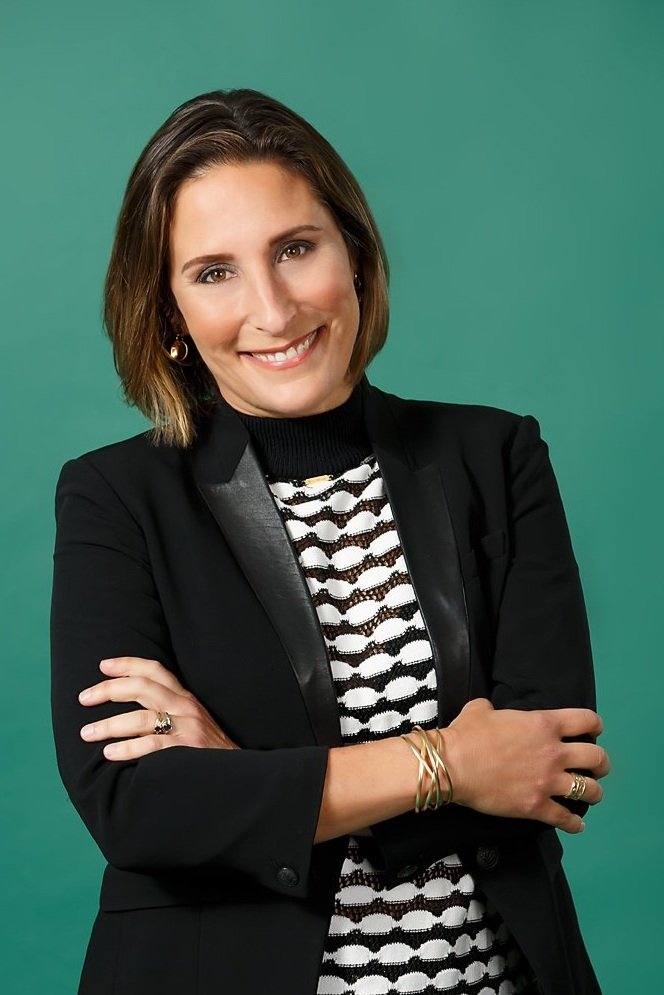
A Writer
Writing help me makes connections in my work that nothing else does. I'm working on my 10th book now and one thread runs through all of them: putting words to experiences people struggle to name, and finding a way through problems and conflicts in communities that can feel impossible to solve.
I never write alone. I invite the people I'm writing about to advise me, to push back, to correct me, to tell me when I've gotten it wrong. It's the only way I know to have confidence that the advice I am offering is founded on the experience of the people who are directly impacted by the issues I am focused on.

A Speaker
While I speak in front of political, corporate, policy, and educational leaders, I'm proudest of the moments when teens take me seriously — because frankly there’s no audience more difficult to impress.
Public speaking is my home place, which might sound odd, since most people find it terrifying. But getting on stage and giving people a way to feel acknowledged, seen, and listened to and ultimately to claim a sense of dignity for themselves and others is an incredible privilege.
I'm fortunate to speak to communities around the world, which means my work gets tested against very different cultural contexts. That's not just a privilege — it's an education. Every audience teaches me something I didn't know before.

A Thought Leader
Dignity has always been the path forward for me. At 21, I founded a non-profit for women and girls. From there, I spent years in schools developing what later became known as social-emotional learning in front of the world’s most skeptical audience; high school students. My work has since expanded beyond direct work with young people to communities around the world with educators, coaches, healthcare providers, policymakers, and employers.
What I've learned, across all of these contexts, is that disconnection between young people and adults rarely comes from a generational gap in vocabulary or trends. It comes from the assumptions we carry from our own adolescence, the belief that having once been young makes us experts on being young now, and the power adults hold in every conversation, whether we mean to or not.
My approach isn't built on tips for individual moments. It's built on principles that change the conditions under which these relationships happen at all. It's also built on direct collaboration with the young people those principles are meant to serve. I don't write or speak about young people. I work with them. It's the clearest expression of something I've always believed: “No one knows everything, together we know a lot."